Why Professional Mosquito Treatments Work Better Than DIY Sprays
You've sprayed the patio, put dinner outside and barely sat down before the mozzies return. Professional treatment can work better for persistent problems because it addresses where mosquitoes rest and breed, rather than only the insects flying past. The difference is a planned approach, not simply a stronger spray.
At Professional Pest Control, our mosquito pest control in Albury-Wodonga includes residual treatments for mosquito resting areas around residential and commercial properties. Combined with reducing breeding opportunities, this offers a more considered response than repeatedly reaching for an aerosol.
Why DIY Relief Can Fade
A knockdown aerosol can kill mosquitoes it reaches, but that doesn't mean it has controlled the wider problem. More adults may arrive from elsewhere, while water-holding containers can continue supporting developing mosquitoes. AlburyCity explains that larvae and pupae live in water before adults emerge and fly away.
It also matters which product you're comparing. Skin repellents help discourage bites, knockdown sprays target exposed insects and residual surface products have a different role. Some products available to homeowners provide residual action, so it would be misleading to say every DIY option stops working immediately.
The recurring difficulty is choosing an appropriate method and applying it to the right places. Spraying the open air around a dining table doesn't establish that mosquitoes resting nearby or developing in standing water have been addressed.
For occasional activity, correctly used household products and prevention may be enough. When mosquitoes keep interrupting outdoor use, an assessment can help explain why the same approach isn't delivering the result you want.
Start With The Property
Effective control begins with understanding where the mosquitoes may be coming from and where people encounter them. Note whether activity is concentrated near dense planting, a deck, water containers or a particular outdoor seating area. Tell the technician when the problem is worst and what you've already tried.
For a hypothetical example, consider a family repeatedly spraying beside its barbecue. Behind the nearby shed are water-filled pot saucers, and the patio borders shaded vegetation. Reducing those breeding opportunities and considering the resting habitat creates a more useful plan than spraying only when everyone sits down.
Water doesn't need to be an obvious pond to matter. NSW Health identifies buckets, tyres, toys, blocked gutters and other water-holding items as potential breeding habitats. Checking these areas helps address the next generation of mosquitoes as well as the adults you can see.
On a rural property, describe nearby dams, irrigation and drainage problems too. These details help establish what is within your control and whether broader environmental conditions are contributing.
How Residual Treatments Help
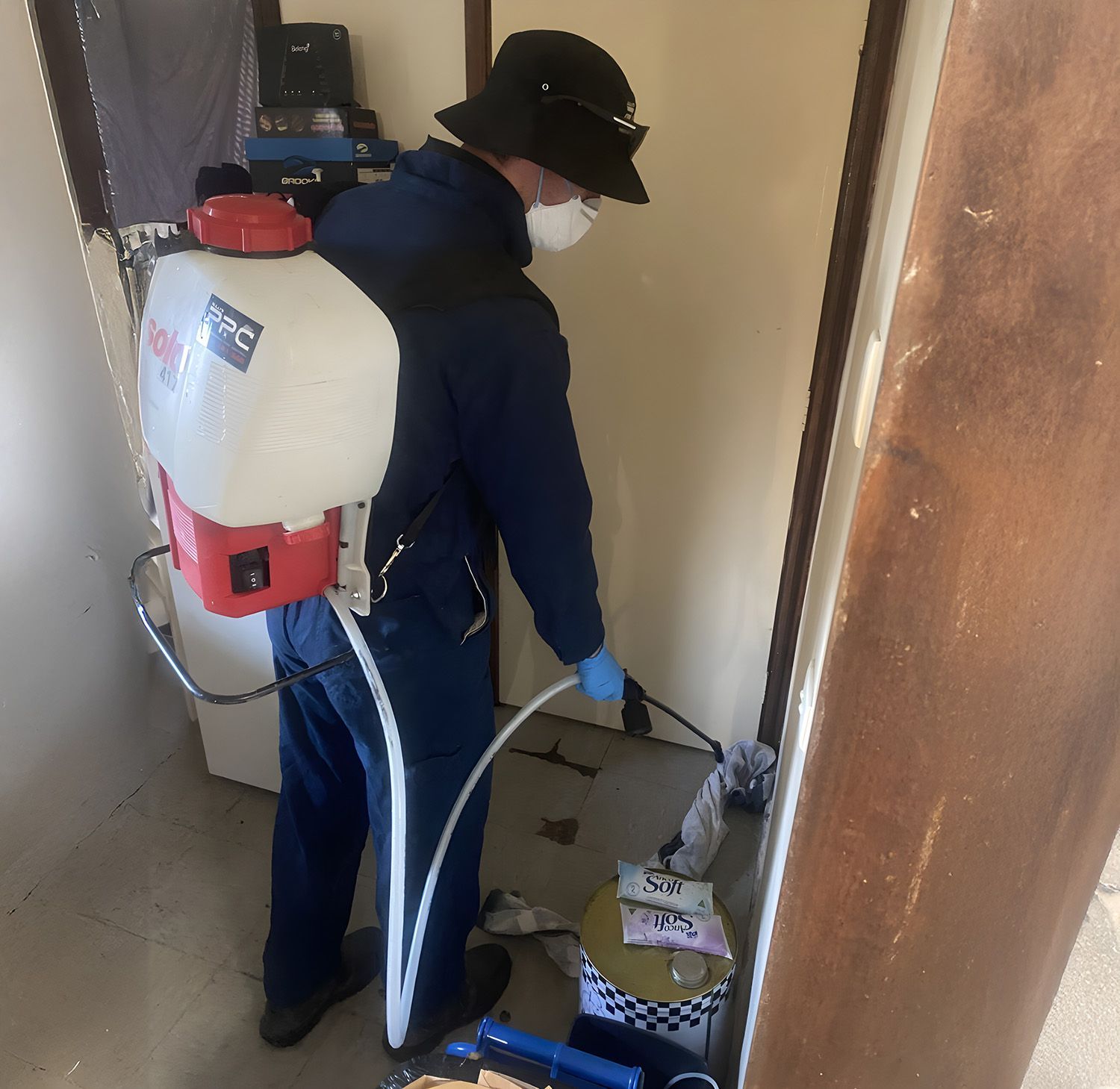
Residual treatment targets suitable surfaces where mosquitoes rest, leaving an insecticidal deposit that can act when insects contact it. Our mosquito service uses residual, water-based, low-irritant chemicals around areas such as vegetation, raised decks and pergolas. Treatment locations still need to suit the product and property.
That differs from a spray used only to knock down airborne adults. Victorian Department of Health guidance distinguishes fogging from surface treatments and notes that the latter can suppress mosquitoes for longer, depending on the specific product. Fogging and residual treatment aren't interchangeable services.
For homeowners, the practical benefit is addressing resting areas before the next gathering, rather than chasing individual mosquitoes during it. For a hospitality venue, it means discussing the outdoor layout and treatment opportunities as part of an operating plan.
A residual treatment isn't an invisible wall around the property. Mosquitoes may still fly in from neighbouring land, and reducing numbers doesn't guarantee that nobody will be bitten. Keep using personal bite protection where needed.
Safer Application Needs Planning
Professional application adds value through product selection, controlled use and clear precautions. It doesn't make pesticides harmless. A water-based or low-irritant description should never be taken to mean a treatment is suitable for unrestricted contact by children, pets or wildlife.
Before booking, tell us about children, pets, fishponds, food-growing areas and any concerns about chemical exposure. Ask what preparation is required and when people and animals can return to treated areas. Re-entry instructions depend on the product and application, so a universal waiting time would be inappropriate.
Product labels contain important directions about permitted uses, precautions, storage and disposal. APVMA guidance also highlights warnings relevant to food, pets, waterways and pollinators. Correct application means respecting those restrictions, not increasing the amount used because mosquitoes are frustrating.
If you use a DIY product between appointments, follow its label and tell the technician what you've applied. Never assume a household insecticide can also be sprayed on skin, outdoor dining utensils or every plant in the garden.
Season alone isn't a reliable way to identify either spider. Where you found it, whether a web is present and the spider's physical features are more useful clues.
What Makes Results Last Longer?
Lasting improvement comes from matching treatment with prevention and reassessment. The specific product, treated surfaces, site conditions and continuing mosquito pressure all influence the result. Ask what performance is reasonable for your property rather than accepting a blanket season-long promise.
Weather also matters when planning chemical applications. Your technician should consider the product's restrictions and current conditions, and explain any scheduling changes. Avoid washing or altering treated areas without checking the aftercare advice first.
Between visits, support the plan with regular maintenance:
- Empty and clean items holding unwanted standing water
- Keep stored buckets, toys and equipment from collecting rainwater
- Arrange safe clearing of blocked gutters and drains
- Maintain screens on doors, windows and rainwater tank openings
- Report recurring activity and changes around the property
NSW Health recommends checking backyard breeding opportunities at least weekly. Professional treatment works alongside that upkeep, rather than replacing it.
Different Properties Need Different Plans
A family backyard, outdoor dining space and rural block don't present the same treatment conditions. Families may prioritise play areas and pet access, while a venue needs to consider service hours, food protection and customer access. Discuss those practical constraints before choosing a treatment time.
Property managers can help by arranging access and asking tenants where activity is concentrated. Keeping a record of complaints and previous treatments gives the technician more context than a request to simply spray the yard. Maintenance issues such as blocked drainage may also need attention from another contractor.
For rural owners near water or bushland, expectations are particularly important. Treatment around the areas people use can form part of management, but it doesn't remove every breeding habitat across surrounding land. Our team at Professional Pest Control provides residential and commercial services tailored to the property.
When Professional Help Makes Sense
Consider an assessment when mosquitoes return despite regular prevention, repeated DIY applications aren't helping or outdoor areas are becoming difficult to use. The same applies when you aren't sure which products suit the setting or how to manage treatment around food, children or animals.
Useful questions include what the proposed treatment targets, which areas are excluded and what you need to do afterwards. Ask about expected results, aftercare and when a review may be appropriate. A clear explanation is more valuable than a promise to eliminate every mosquito.
The takeaway is that professional control can outperform repeated DIY spraying by combining targeted treatment with a better understanding of the property. Prevention and personal protection remain part of the plan, especially when mosquitoes are arriving from outside your boundary.
Contact our team at Professional Pest Control to request a quote for mosquito pest control in Albury-Wodonga. Tell us how you use your outdoor space and where mosquitoes are causing trouble so we can discuss an appropriate treatment approach.
FAQs
Can mosquitoes bite during the day?
Yes, activity isn't limited to dusk. Our mosquito service information notes that heavily vegetated areas can have daytime activity, so describe the timing when making an enquiry.
Is mosquito treatment automatically included?
Don't assume it is included in every general pest treatment. We offer mosquito treatment as an additional service alongside other pest treatments; confirm the scope when booking.
Can I arrange a treatment before an event?
Contact us ahead of the event to discuss timing, access and the treatment's requirements. Allow room for preparation and weather-related changes rather than relying on a last-minute spray.
Does council monitoring treat my yard?
Council surveillance and private property treatment serve different purposes. AlburyCity's monitoring helps assess mosquito activity and virus risks; contact the council about public-area concerns and discuss your own property separately.