White Tail Vs Redback Spider In Albury Wodonga: How To Identify Them, What A Bite Looks Like & How To Get Them Out Of Your Home
A white tail spider bite and a redback spider bite can both cause pain, but the spiders look and behave quite differently. White tails are wandering hunters with a pale marking at the end of the abdomen, while female redbacks typically have a distinctive red or orange marking on a dark abdomen. If you've been bitten and symptoms concern you, seek medical advice rather than trying to diagnose the bite from appearance alone.
For Albury Wodonga households, knowing where these spiders hide can also help you reduce encounters and decide when professional treatment is needed.
Why Spiders Are One of Albury Wodonga's Most Common Household Pests
Homes provide spiders with shelter and access to insects they prey on. Garages, sheds, laundries, outdoor furniture, stored belongings and other undisturbed spaces can all provide suitable hiding places.
Different spiders behave differently, though. White tails tend to wander while hunting, which can bring them inside homes. Redbacks generally favour sheltered locations where they can establish webs.
Spiders sit alongside ants, cockroaches and other most common pests found in Wodonga homes, so prevention involves looking at both the spiders and the conditions attracting their prey.
How to Identify a White Tail Spider
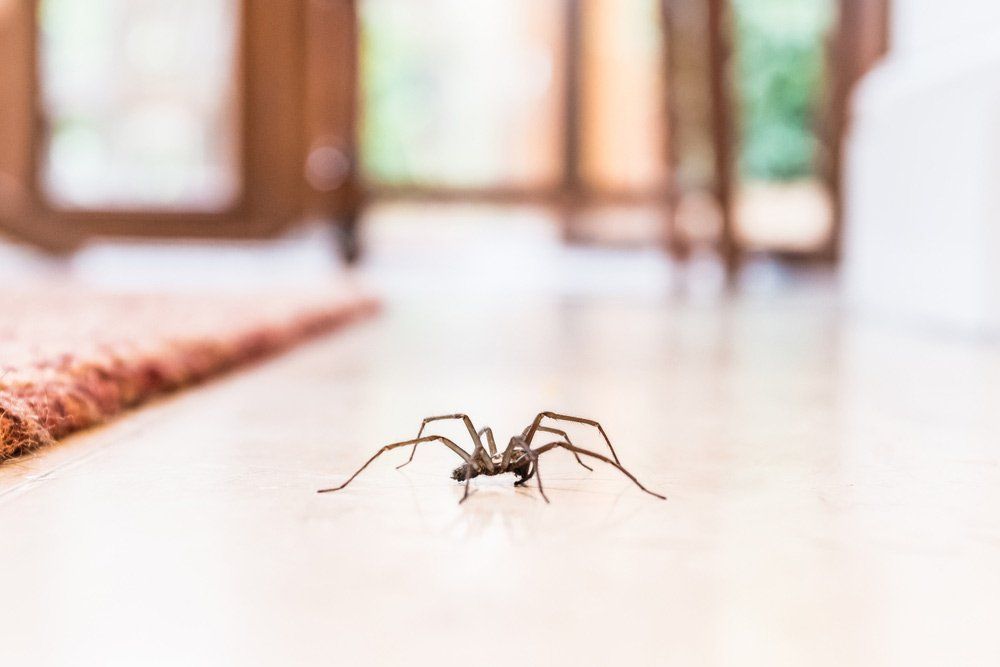
White tail spiders generally have an elongated body and are commonly dark grey to brownish in colour. Their best-known identifying feature is the pale or whitish marking towards the end of the abdomen.
They're active hunters rather than spiders that depend on a permanent web to catch prey. That means you may encounter one moving through a bathroom, bedroom, laundry or other part of the house.
Identification from colour alone isn't foolproof. Lighting, spider size and natural variation can make visual identification difficult. If you repeatedly find white tail spider activity indoors, addressing other insects and likely hiding areas can form an important part of controlling the problem.
How to Identify a Redback Spider
Female redback spiders are typically recognised by their dark, rounded abdomen and prominent red or orange marking. The exact appearance can vary, and males and immature spiders look different from the familiar adult female.
Unlike wandering white tails, redbacks build webs and tend to remain around protected, relatively undisturbed locations. Around a home, that might include sheltered spaces in sheds, garages, outdoor furniture, stored equipment or other dry hiding places.
Don't handle a suspected redback to get a closer look. If you're unsure what you've found, keep your distance and arrange professional identification or removal where necessary.
White Tail vs Redback: Key Differences at a Glance
Although both can occur around homes, their appearance and habits provide useful clues.
| Feature | White Tail Spider | Redback Spider |
|---|---|---|
| Appearance | Elongated, generally dark grey or brownish body with a pale tip on the abdomen | Adult female typically dark with a red or orange marking and rounded abdomen |
| Hunting style | Wandering hunter | Uses a web to catch prey |
| Common hiding areas | Indoor cracks, clothing or stored items and other sheltered spaces | Sheds, garages, outdoor furniture and protected exterior areas |
| Behaviour | May wander through the home searching for prey | More commonly remains around its web and shelter |
| Season | Can be encountered at different times of year | Can also be present year-round, with activity influenced by conditions |
Season alone isn't a reliable way to identify either spider. Where you found it, whether a web is present and the spider's physical features are more useful clues.
What a White Tail Spider Bite Looks Like
A white tail spider bite may cause local pain, redness, swelling or itchiness around the bite area. However, these symptoms are not unique to white tail bites.
Importantly, you generally cannot confirm the species responsible simply by looking at a skin reaction. Many insect bites, skin conditions and infections can produce similar-looking marks.
White tail spiders have historically been blamed for severe skin ulceration, but a skin lesion should not automatically be attributed to a white tail spider without appropriate medical assessment. If symptoms worsen, the area becomes increasingly painful, you develop significant swelling or you otherwise feel unwell, seek medical advice.
What a Redback Spider Bite Looks Like
A redback spider bite can initially cause local pain, and symptoms may become more significant after the bite. Pain and sweating around the bite area can occur, and some people can develop broader symptoms. The severity of symptoms varies, which is why suspected redback bites deserve appropriate medical advice rather than home diagnosis.
A bite mark itself may not provide enough information to identify the spider. If it can be done without creating further risk, remembering or photographing the spider from a safe distance may assist with identification. Never try to catch a potentially dangerous spider by hand.
What to Do If You've Been Bitten
If you suspect a spider bite, move away from the spider and avoid attempting to handle it. For basic first aid, keep the person calm and follow current Australian first-aid guidance for the suspected type of bite. A cold pack wrapped in cloth may be used for pain associated with some spider bites, but don't place ice directly against the skin.
Do not apply a pressure immobilisation bandage for a suspected redback spider bite. Seek prompt medical advice if you suspect a redback bite, symptoms are significant or worsening, the person becomes unwell, or you're uncertain what caused the reaction. For severe symptoms or a medical emergency, call 000.
For poison information in Australia, you can also contact the Poisons Information Centre on 13 11 26.
Medical assessment should take priority over identifying or controlling spiders around the property. Pest treatment can be addressed once the immediate health concern is managed.
Where These Spiders Hide Around Albury Wodonga Homes
White tails and redbacks often turn up in different places because of their different hunting behaviours. White tails may enter homes while searching for prey and shelter. Check around stored belongings, quiet corners and other undisturbed areas, and take care with clothing or items that have been sitting unused.
Redbacks tend to favour dry, protected spaces suitable for their webs. Garages, sheds, outdoor furniture and stored equipment can provide suitable shelter.
It's worth regularly inspecting the areas of your home most vulnerable to pest activity, particularly spaces that remain dark and undisturbed.
Example: A Wodonga household leaves gardening gloves on a shelf in an open shed for several months. Before using them again, checking and shaking them out away from the body is a simple precaution because stored items can provide shelter for spiders and other pests.
How to Get White Tails and Redbacks Out of Your Home
Reducing spider activity starts by making your property less attractive to both spiders and their prey. Keep storage areas organised, remove unnecessary clutter and regularly clean undisturbed corners. Shake out shoes, gloves and outdoor clothing that have been stored for extended periods.
Around the exterior, remove unwanted webs where it is safe to do so, maintain screens and seal suitable gaps that allow pests to enter. Reducing insect activity around the building can also reduce the food available to spiders.
Be cautious about reaching blindly behind stored items, underneath outdoor furniture or into dark corners. Aerosol sprays may kill individual spiders but don't necessarily address recurring activity throughout the property. Persistent spider problems may require a broader inspection and targeted pest treatment.
When to Call a Professional for Spider Pest Control
Finding an occasional spider doesn't always indicate a significant infestation. Repeated sightings, numerous webs or spiders regularly appearing in living areas are stronger reasons to investigate.
A pest technician can inspect likely harbourage areas, assess other insect activity and recommend an appropriate treatment and prevention approach. The key takeaway is that white tails and redbacks require different identification clues, but neither should be handled unnecessarily. If a bite occurs, prioritise appropriate medical advice; if spider activity keeps returning, address the conditions allowing it to persist.
Professional Pest Control provides residential and commercial
pest control in Albury Wodonga. We target spiders and other common pests, with services across both sides of the NSW-Victoria border.
Contact our licensed team to discuss spider removal and a treatment plan for your property.
FAQs
Is a white tail spider bite dangerous?
White tail bites can cause local pain, redness, swelling or itching. Because skin reactions have many possible causes, seek medical advice if symptoms are significant, worsening or concerning rather than diagnosing the bite yourself.
How can I tell a white tail from a redback?
White tails generally have elongated bodies with a pale marking towards the end of the abdomen and actively wander while hunting. Adult female redbacks typically have a dark rounded abdomen with a red or orange marking and tend to remain around a web.
Should I go to hospital for a redback spider bite?
Seek prompt medical advice for a suspected redback bite, particularly if pain or other symptoms are developing. Call 000 for severe symptoms or a medical emergency, or contact the Poisons Information Centre on 13 11 26 for poison advice.
Why do I keep finding white tail spiders inside?
White tails hunt other spiders and insects and can wander indoors looking for prey or shelter. Reducing insect activity, clutter and potential entry points may help reduce encounters.
Can professional pest control help with both white tails and redbacks?
Yes. Professional spider pest control can target spider activity while also considering harbourage areas, entry points and insect prey around the property.