Top 5 Pest-Proofing Tips For Older Homes In Albury-Wodonga
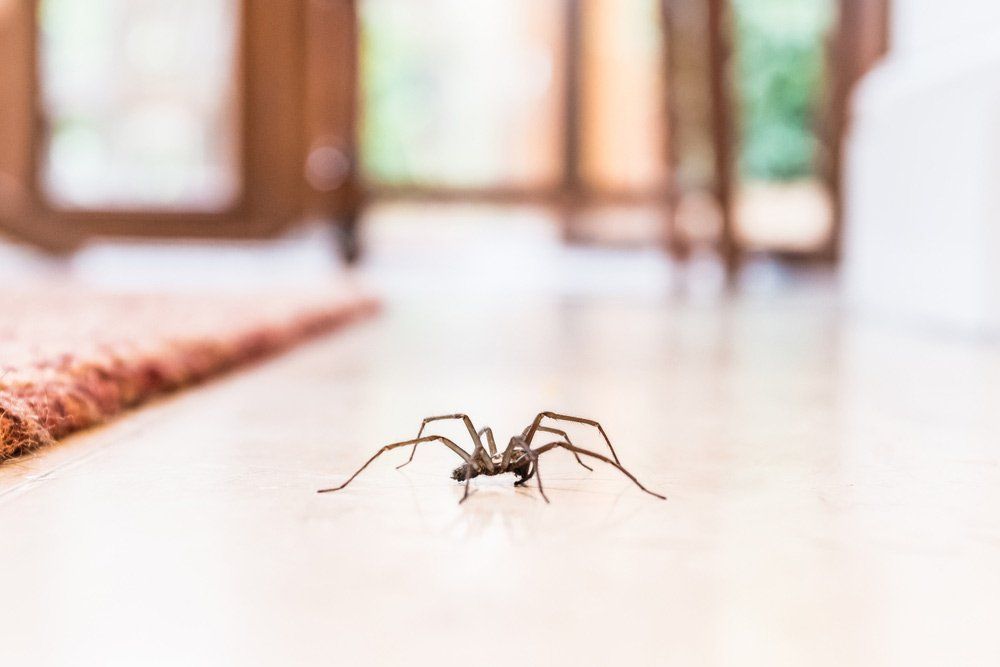
Older homes have a charm that newer properties can’t quite replicate — timber trims, classic weatherboards, high ceilings and the kind of character that comes from decades of history. But with age often comes a hidden challenge: pests finding clever ways into places they don’t belong. For many homeowners seeking pest control, the issue isn’t just about removing pests, but understanding why older homes attract them more easily.
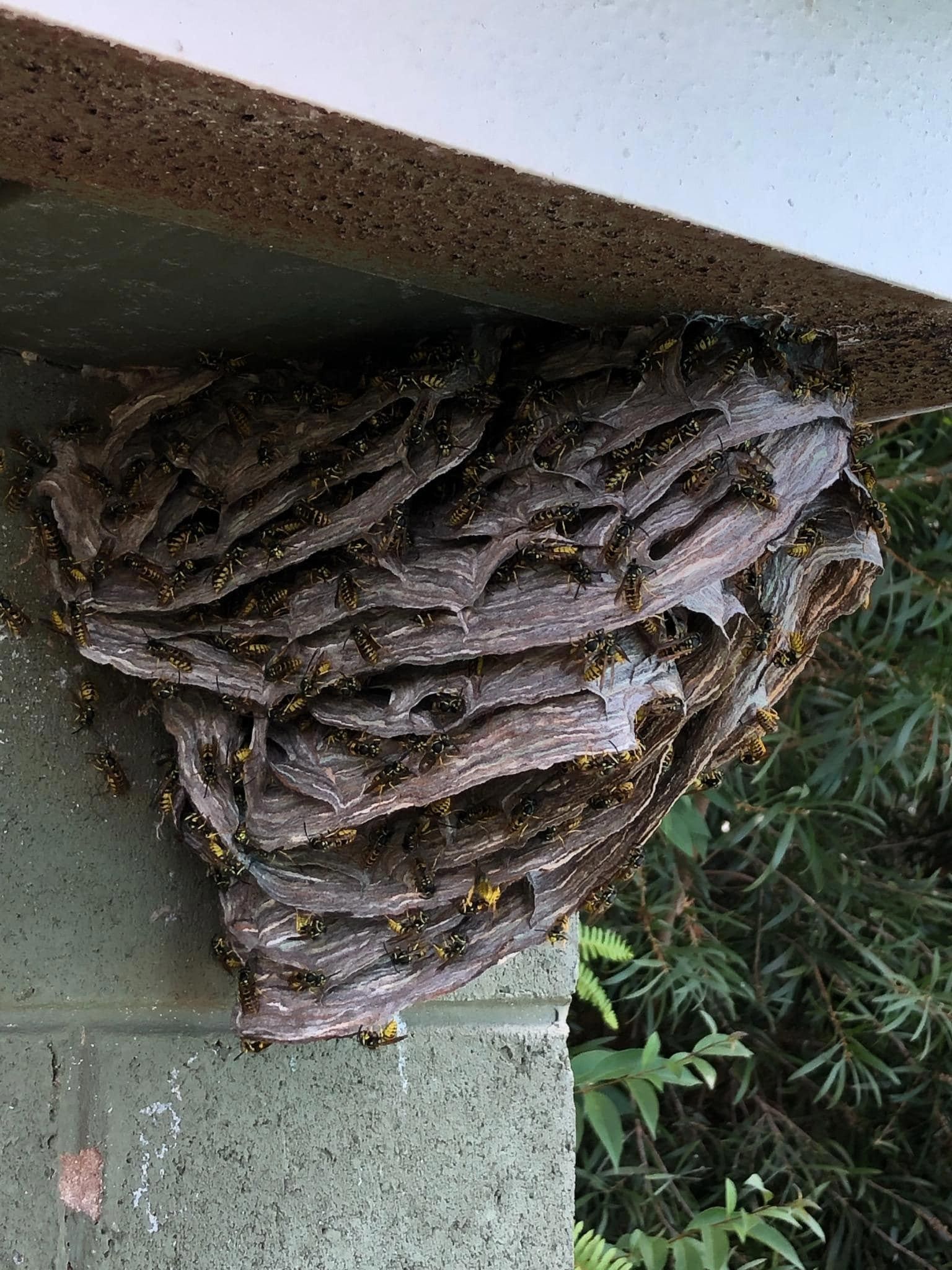
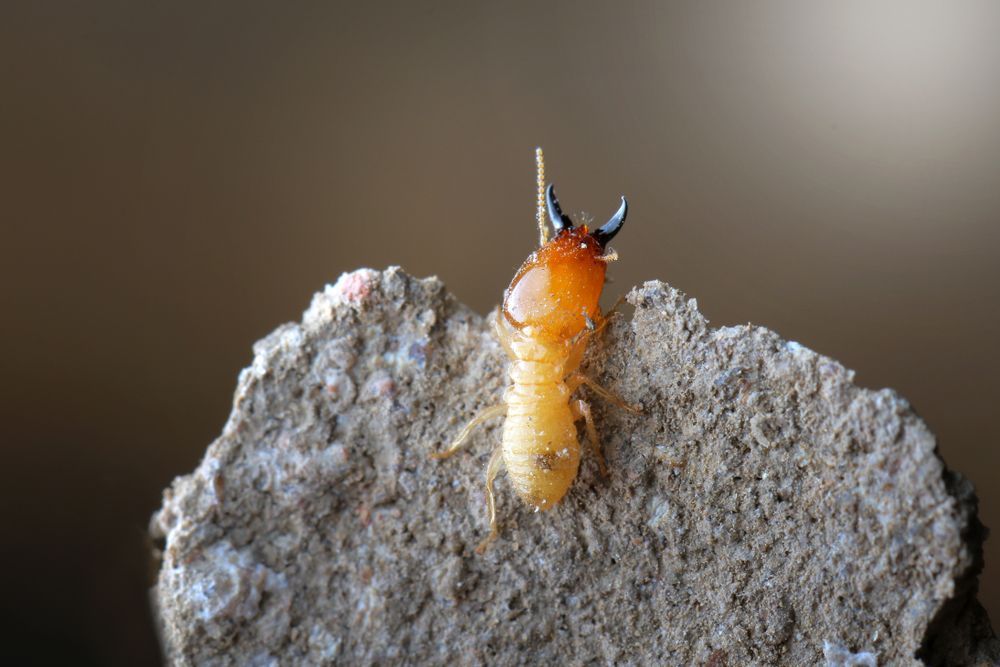
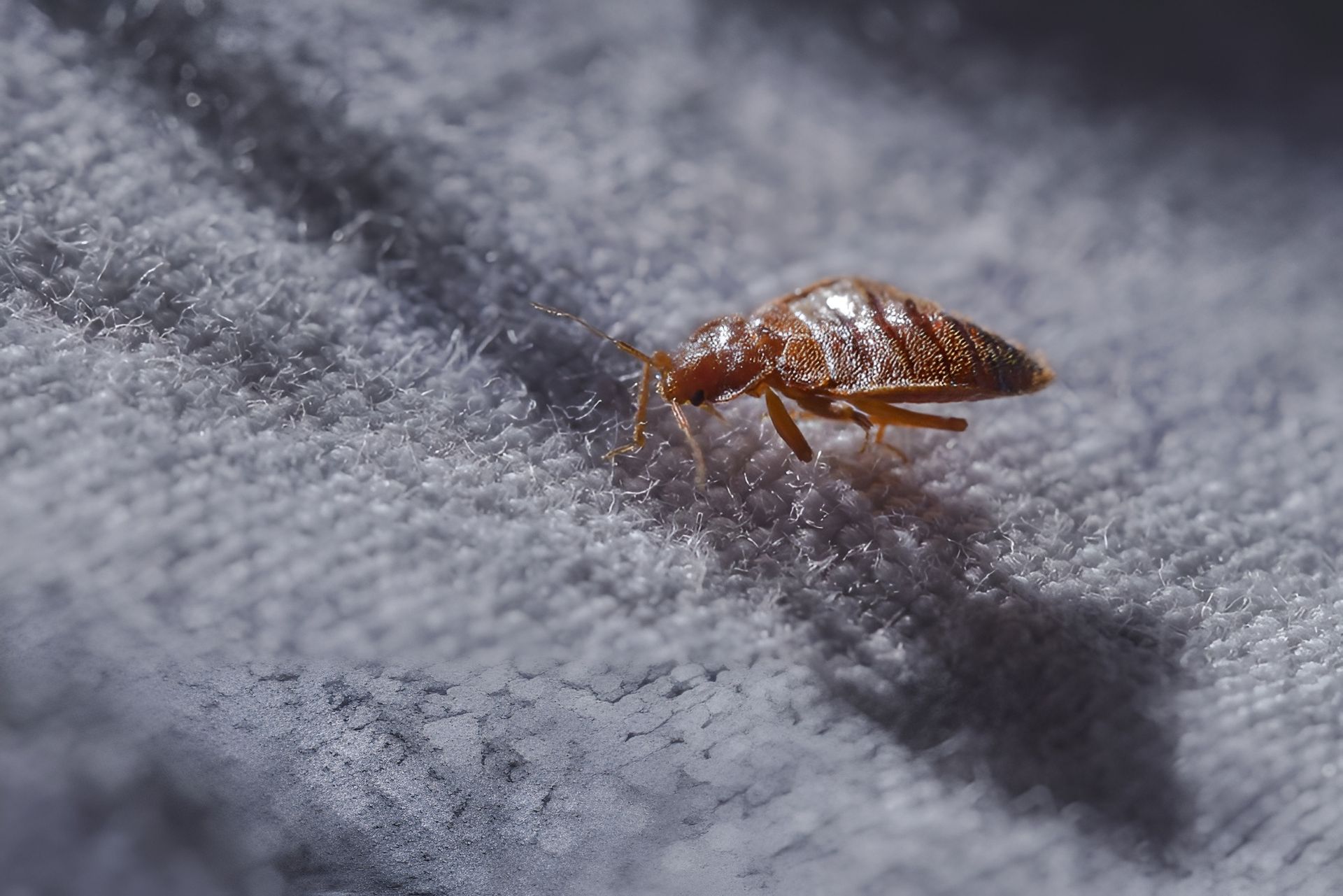
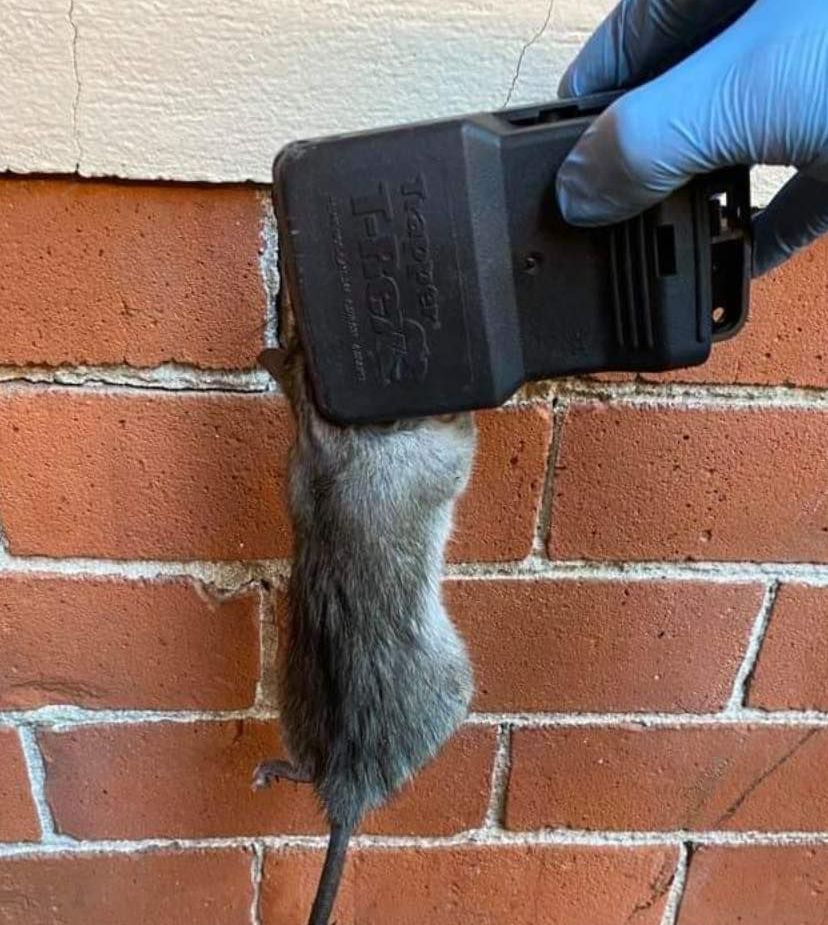
From ageing timber to natural structural movement and the region’s seasonal pest pressures — including increased mosquito activity — these houses need a more thoughtful approach to pest prevention. This guide walks through the most important steps to protect older homes and maintain their condition over time. This blog will help you understand how to defend your home from a range of pests, from mosquitoes to rodents to termites and more.
Weatherboards, Gaps and Ageing Timber: Why Older Homes Attract More Pests
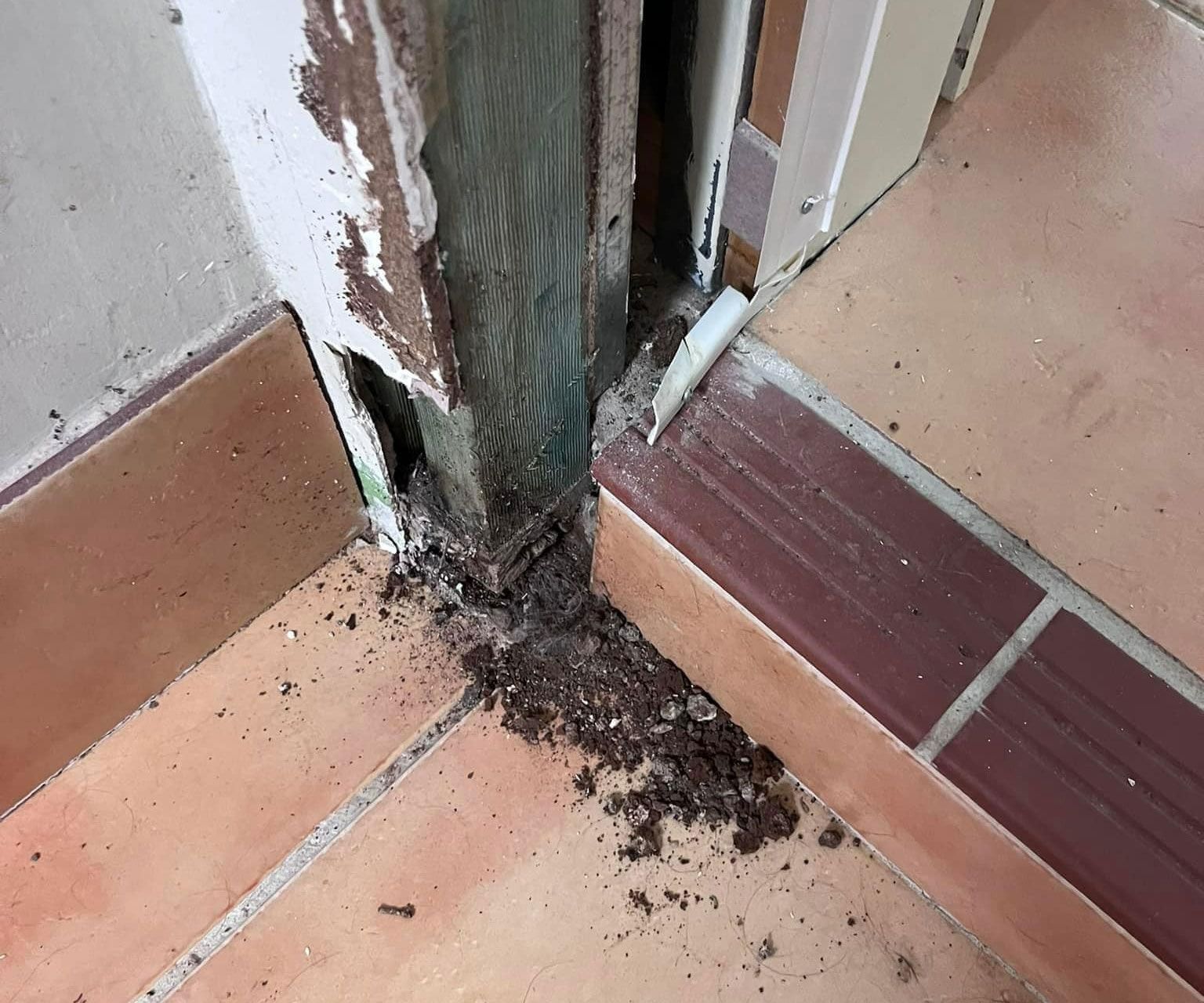
Many older homes were built with materials that change as they age. Timber expands and contracts, nails loosen and paint layers thin out. Over time, this creates small openings large enough for pests to slip inside. Heritage homes and older weatherboard houses often have gaps around window frames, under eaves or between boards that become natural access points. Long-term homeowners frequently mention noticing drafts before realising pests were entering through the same pathways. These structural shifts are part of the ageing process, but they do require additional attention.
- Common entry points include gaps around windows and doors
- Weatherboards can naturally separate over decades
- Older materials can shrink or warp, creating new access areas
Stopping pests starts with understanding how your home’s age influences its vulnerabilities.
Sealing the Unseen: The Critical Role of Gap and Crack Treatment
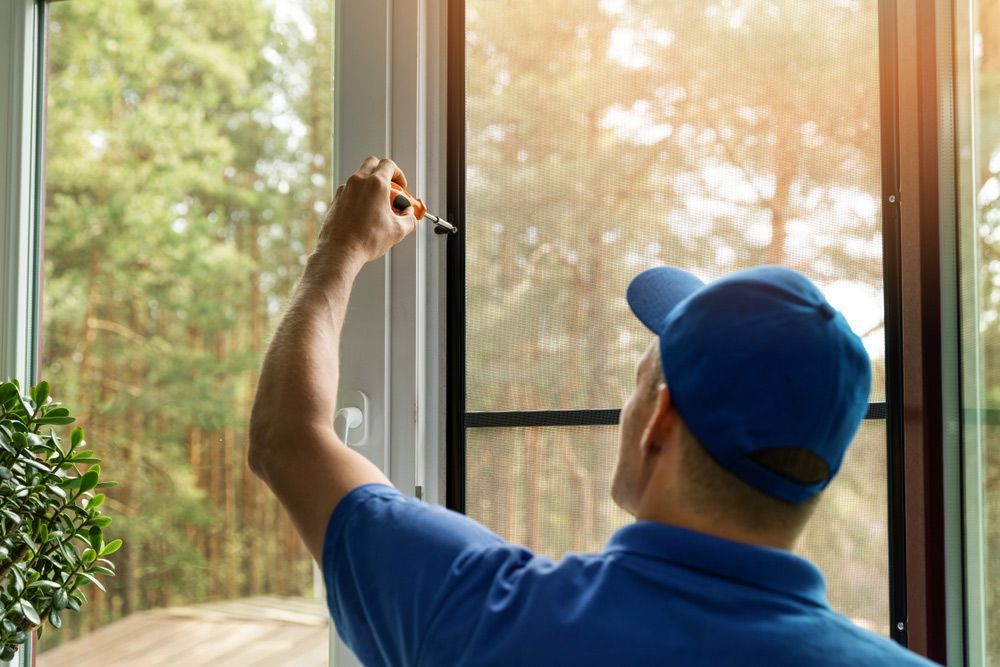
Pests don’t need large openings — many only require a few millimetres of space to enter. Older homes often have countless tiny gaps that go unnoticed until a problem becomes obvious. Pest control technicians focus heavily on sealing and blocking these points as part of long-term prevention. This might include sealing gaps along skirting boards, applying draught blockers or filling old screw holes. The goal is to remove entry options and interrupt the pathways pests use to move through structures.
- Small cracks around fittings and utilities create hidden pathways
- Exterior joints often need sealing to prevent rodent and insect entry
- Older homes typically require repeated checks as materials continue ageing
Thorough sealing significantly reduces the number of pests entering from outside and moving internally.
Roofing and Subfloor Weak Points: Hidden Zones Where Pests Move Freely
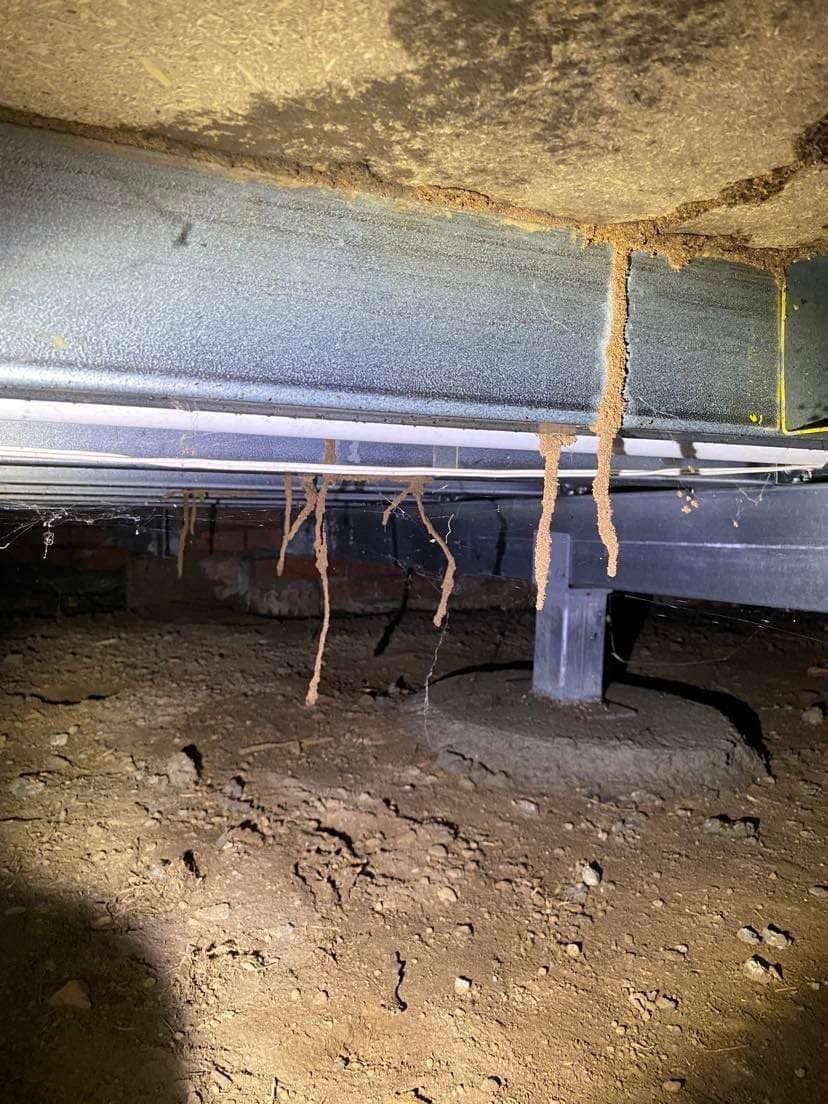
Roof cavities and subfloor areas are some of the most active zones for pests, especially in older homes. These spaces offer darkness, warmth and access to many entry points. Without proper inspection, nests and pest activity can grow unnoticed. Subfloors in older properties may include original timber supports, limited ventilation and areas prone to moisture — all of which attract pests. Roof spaces can develop gaps around tiles, ridge capping or old flashing, which allow rodents or insects to enter.
- Roof spaces commonly harbour rodents and insects
- Subfloors can attract pests due to darkness and moisture
- Ventilation, timber condition and insulation should all be assessed
Regular inspections in these areas allow early detection of activity and identify structural issues contributing to pest movement.
Moisture, Drainage and Structural Damp: A Pest Magnet in Older Properties
Moisture problems are one of the most persistent issues in ageing homes. When water pools near footings, when drains become blocked or when damp spreads through internal timbers, pests are naturally drawn toward these conditions. Many insects thrive in humid environments, while rodents and termites are attracted to damp timber. In older brick veneer or weatherboard homes, moisture may enter through ageing waterproofing, cracked render or poorly maintained gutters.
- Poor drainage increases moisture around the home’s perimeter
- Damp internal areas attract pests such as termites, ants and silverfish
- Pest control services assess moisture sources as part of treatment
Addressing moisture not only protects your home structurally but also reduces pest pressure significantly.
Mosquito Activity Around Older Homes: What Makes Them a High-Risk Zone?
Older homes often have ageing gutters, original fencing, older garden beds and uneven yard levels — all of which can create ideal mosquito breeding areas. Standing water in blocked gutters, old drains or unused outdoor features can increase mosquito activity around the home. As the demand for mosquito pest control grows, more homeowners are discovering the link between older property design and mosquito outbreaks. These insects need only a small amount of water to breed, making prevention even more important.
- Blocked gutters and older downpipes often trap water
- Shaded or damp areas behind sheds attract mosquito activity
- Treatments target breeding zones and adult populations
Reducing standing water and applying targeted treatments helps significantly reduce seasonal mosquito issues.
When Garden Overgrowth Meets Ageing Structures: A Perfect Pest Habitat
Mature gardens are a beautiful asset, but they also bring pests closer to the home — especially when plants sit directly against older timber or brickwork. Dense shrubs and climbing vines can create sheltered areas where pests hide and eventually enter through weakened building materials. Fences, retaining walls and older outdoor structures often hold moisture or gaps that attract rodents and insects. Pest control teams frequently identify these areas as high-risk zones during outdoor inspections.
- Overgrown vegetation provides shade and shelter for pests
- Tree branches close to the roof line allow easy access
- Mulch, logs and garden beds close to walls increase pest activity
Strategic garden trimming and outdoor pest treatments create a safer perimeter around the home.
The Importance of Regular Pest Inspections for Classic and Heritage Homes
Older homes benefit significantly from routine pest inspections because issues can develop quickly and quietly. A small gap may become a nesting spot, moisture may attract termites, or garden overgrowth may lead to increased rodent activity. Regular inspections allow trained technicians to identify concerns early, before they turn into costly structural problems. Homeowners often appreciate the reassurance of knowing their property is being monitored proactively.
- Inspections uncover early-stage pest activity
- Technicians track high-risk areas over time
- Ongoing monitoring supports long-term pest management
Consistent inspections can make a major difference in preserving the condition of an ageing property.
How Pest Control Services Create Long-Term Protection for Older Homes
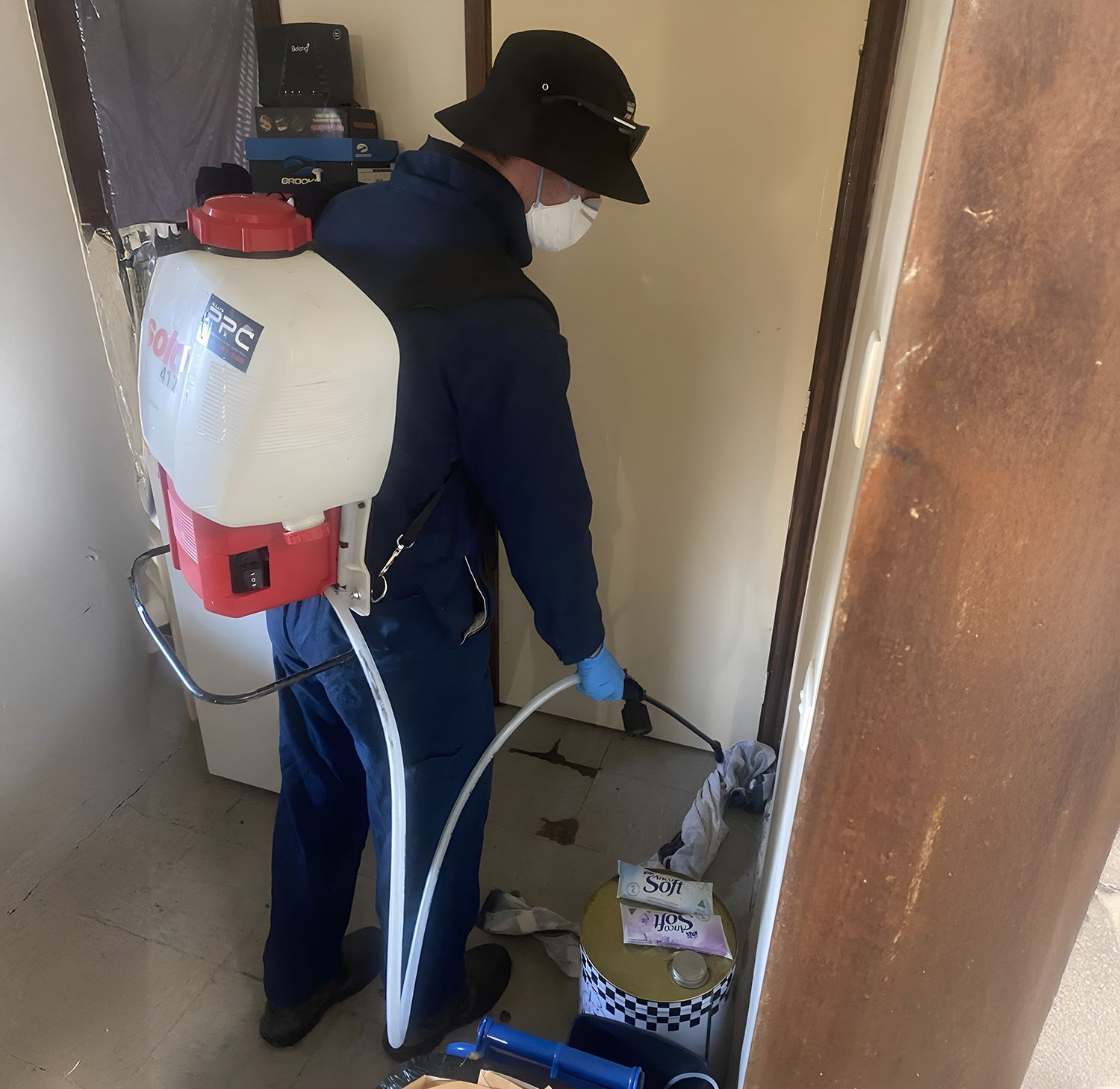
Older properties require a tailored approach because no two homes age the same way. Pest control services combine inspection, treatment and preventative strategies that suit the unique structure, materials and layout of each property. By reinforcing weak points, treating active pests and preventing new infestations, homeowners gain confidence in the long-term protection of their property. The goal is ongoing management rather than one-off treatments, especially for homes with persistent risk factors.
- Treatments tailored to home structure and pest types
- Preventative methods designed for heritage and older homes
- Pest control complements other home maintenance efforts
A well-planned pest management strategy supports both the health of the home and peace of mind for its owners.
Book a Service Today
At Professional Pest Control, we understand the unique challenges that come with older homes in the Albury-Wodonga region. From seasonal mosquito activity to long-term structural vulnerabilities, these properties benefit from proactive and tailored pest management. If you’re noticing signs of pests or want to protect your classic home from future issues, our team is here to help with inspections, treatments and expert guidance specific to the area. Contact us to request a quote today.