The Complete Seasonal Pest Calendar For Albury Wodonga Homeowners
Pests rarely arrive without warning. Their presence often follows predictable seasonal patterns influenced by temperature, moisture, and shelter availability. For homeowners, understanding these patterns is one of the most effective ways to prevent infestations before they become disruptive or costly. A seasonal pest calendar provides practical insight into when different pests are most active and how to stay ahead of them throughout the year.
Rather than reacting to visible infestations, preventative pest management focuses on timing. By knowing which pests are most likely to appear during each season, property owners can plan inspections, treatments, and maintenance that protect their home year-round. This guide breaks down common pest activity by season and explains how professional pest control services support long-term home protection.
Why Seasonal Pest Awareness Matters
Pest activity is rarely random. Insects and animals respond to environmental changes such as rising temperatures, rainfall, and food availability. Seasonal awareness helps homeowners reduce risks by acting before pests establish nests, breeding sites, or entry points.
Understanding seasonal trends allows homeowners to:
- Identify early warning signs of pest activity
- Schedule preventative treatments at the right time
- Reduce damage to structures, gardens, and stored materials
- Maintain healthier indoor living environments
Preventative pest control is typically more effective and less disruptive than dealing with established infestations.

Spring: Increased Activity and Nesting Behaviour
As temperatures rise, many pests become active after winter dormancy. Spring is often a high-risk period for breeding, nesting, and migration into homes.
Common spring-related pest issues include:
- Increased insect movement as conditions warm
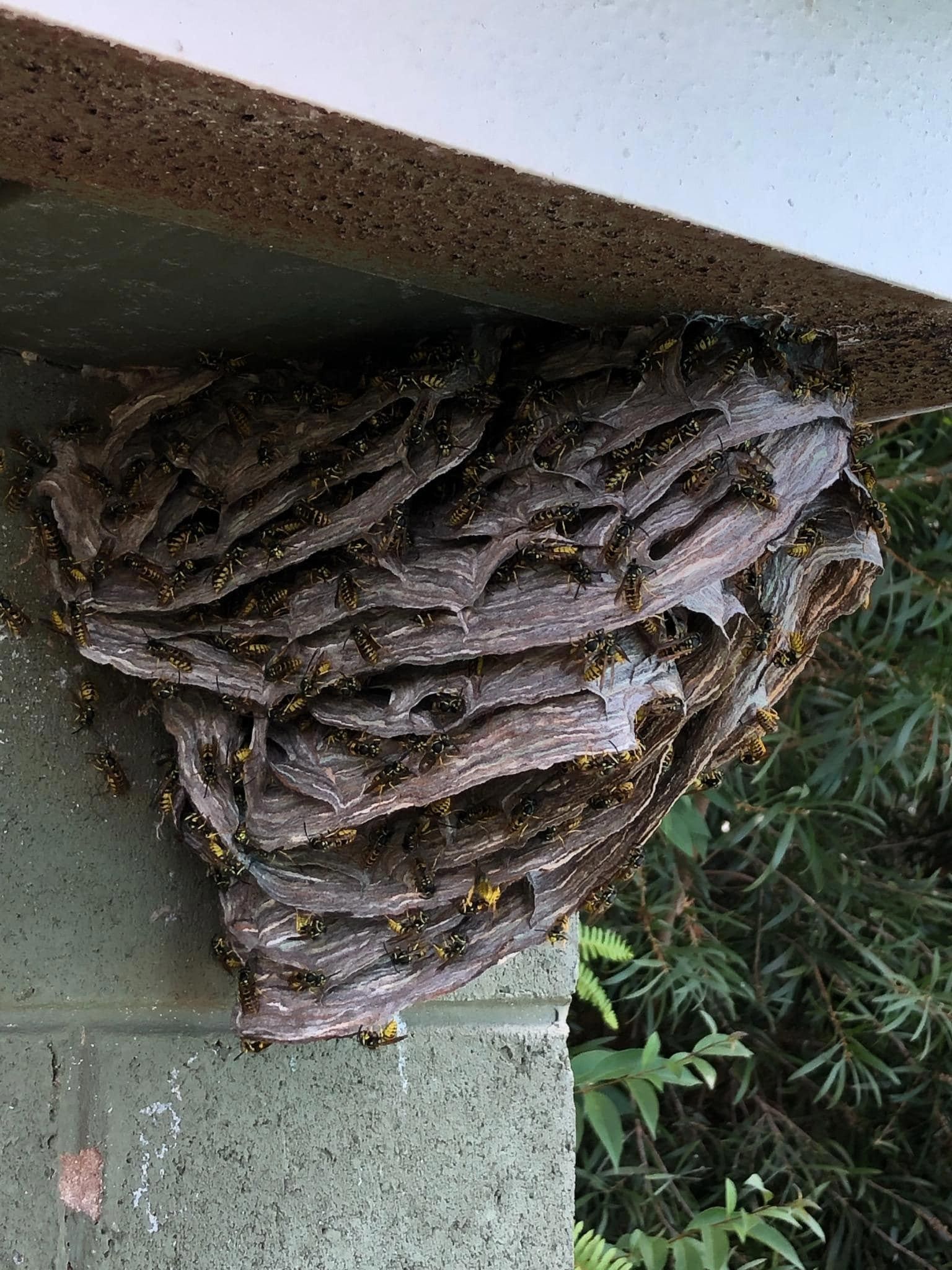
- Nest-building behaviour around roof voids and outdoor structures
- Ant activity near kitchens and food storage areas
Professional pest inspections during spring focus on identifying entry points, moisture sources, and early infestations before populations expand.
Summer: Peak Pest Pressure Indoors and Outdoors
Summer conditions create ideal breeding environments for many pests. Heat accelerates life cycles, leading to rapid population growth. Outdoor activity increases, which often results in pests finding their way indoors.
Typical summer concerns include:
- High insect activity around water sources
- Increased risk of biting and stinging pests
- Infestations spreading quickly if left untreated
Seasonal pest control services during warmer months often prioritise perimeter treatments, moisture management, and targeted indoor protection.
Autumn: Preparing for Shelter and Food Storage
As temperatures begin to cool, pests seek shelter and stable food sources. Homes become attractive environments, offering warmth and protection from changing conditions.
Autumn pest patterns often involve:
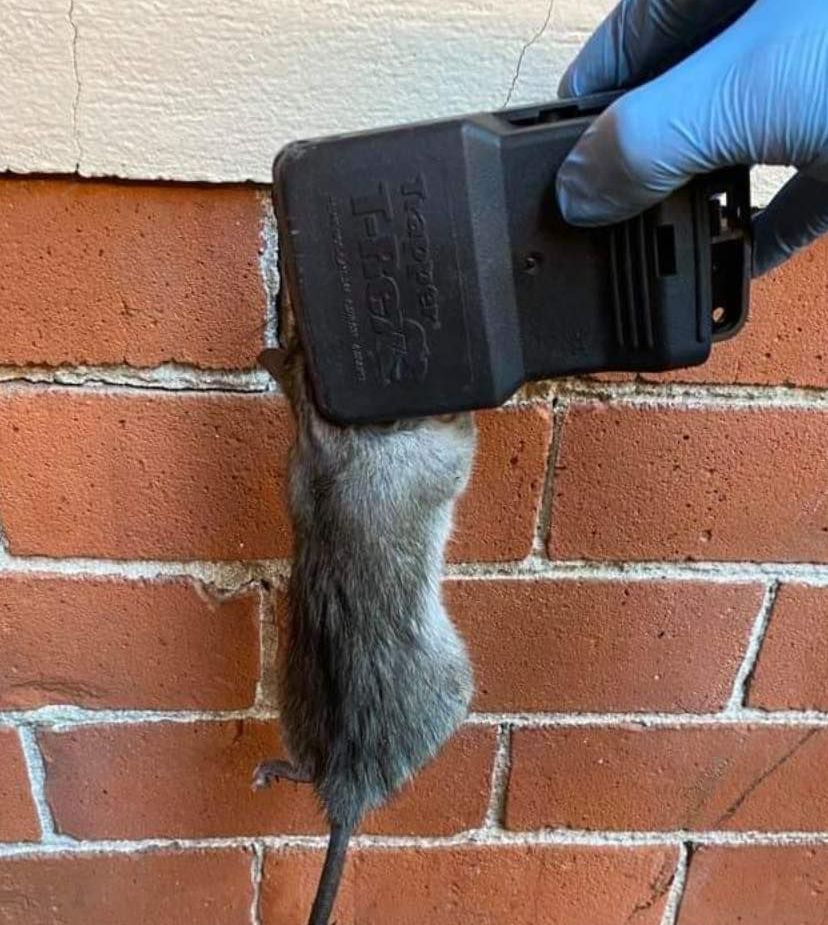
- Rodents searching for nesting areas
- Insects entering wall cavities and roof spaces
- Increased activity in garages, sheds, and storage areas
Autumn treatments typically focus on sealing entry points and applying preventative barriers to reduce indoor pest movement.
Winter: Reduced Visibility but Ongoing Risk
Although pest activity appears to slow in winter, many species remain active within protected areas of the home. Infestations may go unnoticed until conditions improve.
Winter pest considerations include:
- Rodents nesting inside insulation and wall spaces
- Insects remaining dormant in hidden areas
- Reduced visibility of infestations despite ongoing damage
Winter inspections help detect concealed pest activity and prevent population growth when warmer conditions return.
Understanding the Role of Preventative Pest Control
Preventative pest control focuses on stopping infestations before they begin. Rather than relying solely on reactive treatments, scheduled services address risk factors throughout the year.
Preventative pest management includes:
- Routine inspections to identify vulnerabilities
- Targeted treatments based on seasonal risk
- Advice on maintenance and hygiene improvements
- Long-term monitoring to reduce recurrence
This approach helps homeowners avoid repeated infestations and unexpected repair costs.
How Regular Inspections Protect Your Property
Regular pest inspections are an essential part of responsible home maintenance. Inspections allow professionals to identify early signs of activity that may not be visible to occupants.
Benefits of routine inspections include:
- Early detection of pest movement
- Reduced need for extensive treatments
- Protection of structural components
- Peace of mind for homeowners and landlords
Scheduled inspections complement seasonal treatments by ensuring year-round coverage.
Choosing a Pest Management Plan That Fits Your Home
Every property presents unique pest risks based on design, surrounding environment, and occupancy patterns. A tailored pest management plan addresses these factors rather than applying generic solutions.
Effective pest management plans consider:
- Property layout and construction materials
- Previous pest history
- Seasonal activity patterns
- Long-term prevention strategies
Professional pest control services adapt treatments to suit changing seasonal conditions and household needs.
Protect Your Home All Year Round
We at Pest Prevention Control Albury Wodonga understand the challenges homeowners face when dealing with seasonal pest activity influenced by warm summers, cooler winters, and surrounding waterways and bushland. Our tailored services, including mosquito pest control Albury-Wodonga, help protect homes year-round through preventative treatments and professional inspections. To learn more or to book a service, visit https://www.ppcalbury.com.au/ and take the next step towards a healthier, pest-protected home.