Pest Prevention For Rental Properties In Albury & Wodonga
A small pest issue in a rental property rarely stays small for long. What begins as the odd ant trail or a few scratching noises can quickly turn into damaged fittings, tenant complaints and disputes over responsibility. For landlords and property managers, pest control in Albury-Wodonga is part of protecting the value of a property and maintaining compliance with rental standards. For tenants, it is closely tied to everyday habits and how a home is cared for during a lease.
Pest management in rental properties sits at the intersection of legislation, property condition and shared responsibility. Understanding where prevention starts, who is responsible at different stages of a tenancy and when outside support should be considered helps reduce conflict and long-term costs. A clear, proactive approach also supports safer, cleaner living environments without relying on reactive treatments after pests have already settled in.
Understanding Responsibility in Rental Pest Prevention
Responsibility for pest prevention in rental properties is often misunderstood. In most cases, it depends on timing, cause and the condition of the property at the start of the lease. If a property is handed over with an existing pest issue, this is generally considered a landlord matter. If pests appear later due to lifestyle or hygiene issues, tenants may be responsible.
Clear documentation is essential. Entry condition reports, maintenance records and communication between parties help clarify expectations and reduce disputes.
Common responsibility factors include:
- The presence of pests before tenants move in
- Structural gaps, drainage issues or poor sealing that allow pest access
- Cleanliness & waste management during the tenancy
- Whether preventative measures were already in place
When everyone understands their role, pest issues are more likely to be addressed early rather than becoming ongoing problems.
Common Pest Risks in Rental Properties
Rental properties can attract pests for many reasons, particularly where there is regular turnover of occupants or limited long-term monitoring. Pests are drawn to shelter, food and water, all of which can be unintentionally provided through everyday living.
Typical pest risks in rentals include:
- Ants attracted to food residue & moisture
- Cockroaches nesting in kitchens, bathrooms & wall cavities
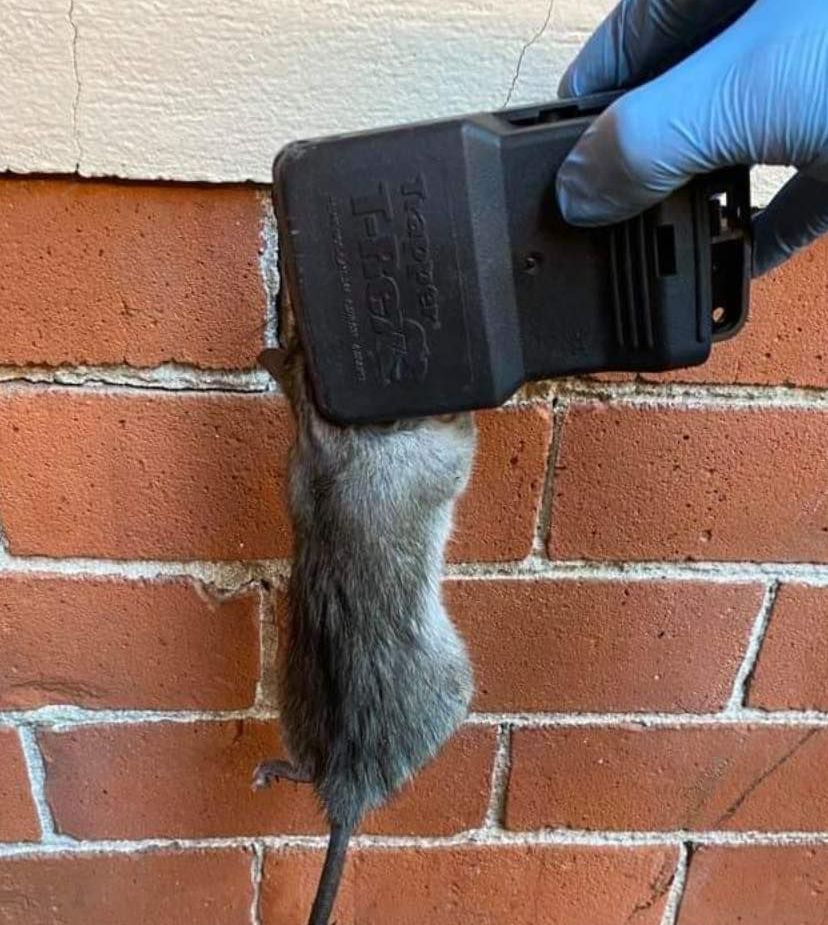
- Rodents entering through gaps in roofing, vents or subfloors
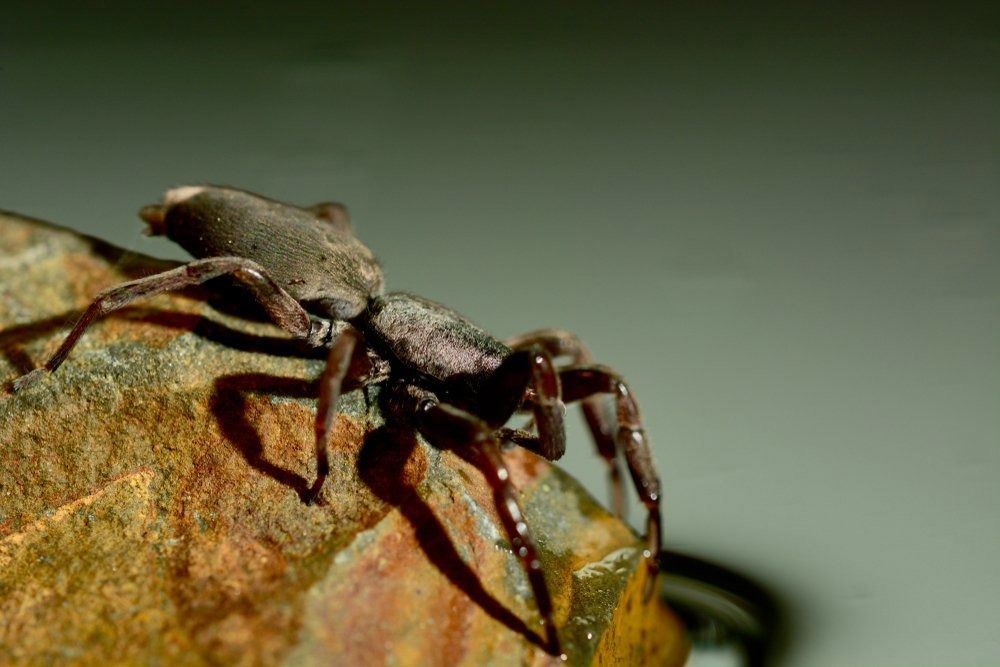
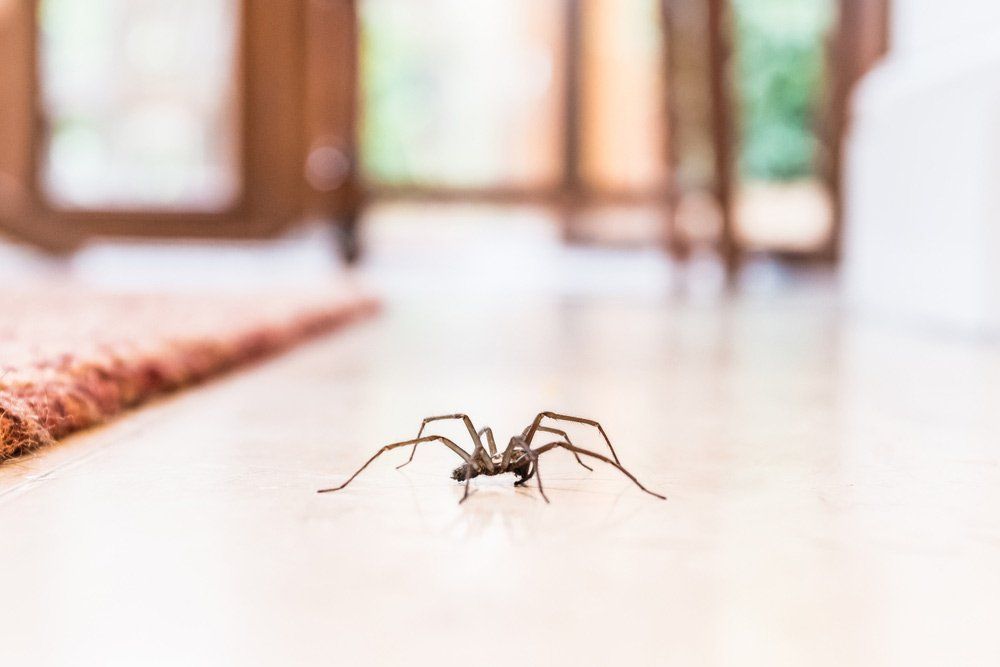
- Spiders & other insects seeking quiet, undisturbed spaces
Multi-tenant buildings, older homes and properties with gardens or shared waste areas may face added exposure. Without routine checks, pests can establish themselves before anyone realises there is an issue.
Preventative Steps Landlords Can Take
Landlords play a key role in setting a property up for pest prevention before a lease begins. A well-maintained property with basic preventative measures reduces the likelihood of pests and demonstrates compliance with general housing standards.
Practical steps landlords can consider include:
- Sealing cracks, gaps & entry points during routine maintenance
- Addressing drainage issues & moisture build-up
- Keeping roof spaces, subfloors & storage areas clear & tidy
- Arranging pest inspections between tenancies
These measures are not about guaranteeing a pest-free property, but about reducing known risk factors. Proactive attention at the start of a tenancy can also minimise disputes later on.
Everyday Actions Tenants Can Manage
Tenants influence pest activity through daily habits. Even in a well-maintained property, food waste, clutter and moisture can create inviting conditions for pests. Understanding these links helps tenants meet their responsibilities during a lease.
Helpful tenant-led preventative actions include:
- Storing food in sealed containers & cleaning spills promptly
- Taking rubbish out regularly & keeping bins clean
- Reporting leaks, damp areas or structural issues early
- Avoiding clutter in cupboards, garages & outdoor areas
Open communication with landlords or property managers is important. Reporting early signs of pest activity allows issues to be assessed before they escalate.
How Pest Issues Affect Compliance & Tenancy Agreements
Pest activity can have flow-on effects for compliance with rental standards and tenancy agreements. Excessive pest presence may impact habitability, particularly if it affects health, safety or the use of key areas such as kitchens or bedrooms.
From a management perspective, unresolved pest issues can lead to:
- Breaches of minimum housing standards
- Disputes over bond deductions or maintenance responsibility
- Increased repair costs due to pest-related damage
Clear clauses in tenancy agreements and consistent documentation help all parties understand how pest-related matters are handled. Prevention supports smoother tenancies and reduces administrative strain.
Signs that Preventative Measures May Not Be Enough
Despite good habits and property maintenance, some pest problems persist or reappear. This can indicate that pests are nesting in hidden areas or that entry points are not easily visible.
Signs that additional support may be worth considering include:
- Repeated pest sightings despite cleaning & basic prevention
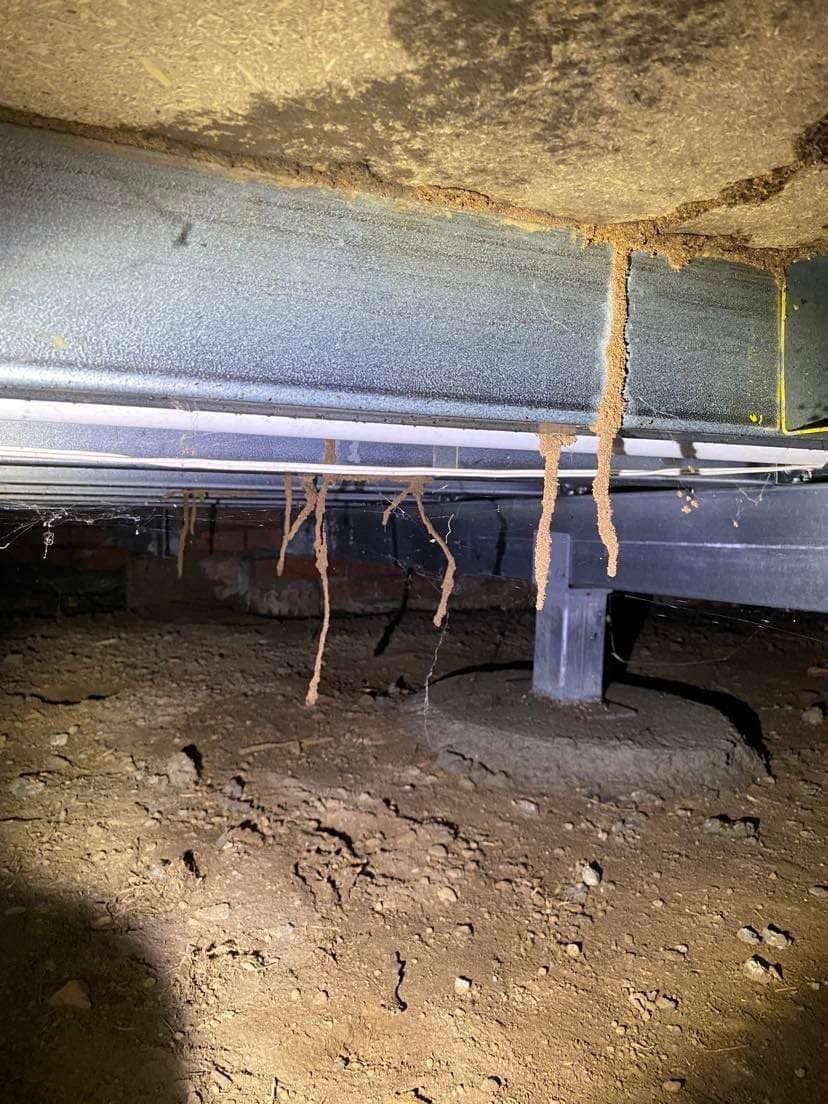
- Evidence of nesting, droppings or structural damage
- Pests appearing across multiple areas of a property
- Complaints from tenants in neighbouring properties
At this stage, relying on household products alone may not address the underlying cause. A broader assessment can help identify contributing factors that are not obvious during day-to-day inspections.
The Role of Ongoing Pest Management Planning
For property investors and agencies managing multiple rentals, pest prevention is often more effective when approached as part of an ongoing plan rather than a one-off response. Scheduled inspections and treatments can help identify emerging issues early and support consistent standards across properties.
An ongoing approach may involve:
- Regular inspections aligned with property maintenance schedules
- Record keeping to track previous pest activity
- Tailoring strategies to property type & usage
- Clear communication with tenants about expectations
This type of planning supports long-term asset care without relying on reactive decisions under pressure.
When to Consider External Pest Control Support
There are times when pest issues move beyond routine prevention and require specialised assessment. This is particularly relevant where pests pose health concerns, cause property damage or continue despite reasonable preventative efforts.
External pest control services may be considered when:
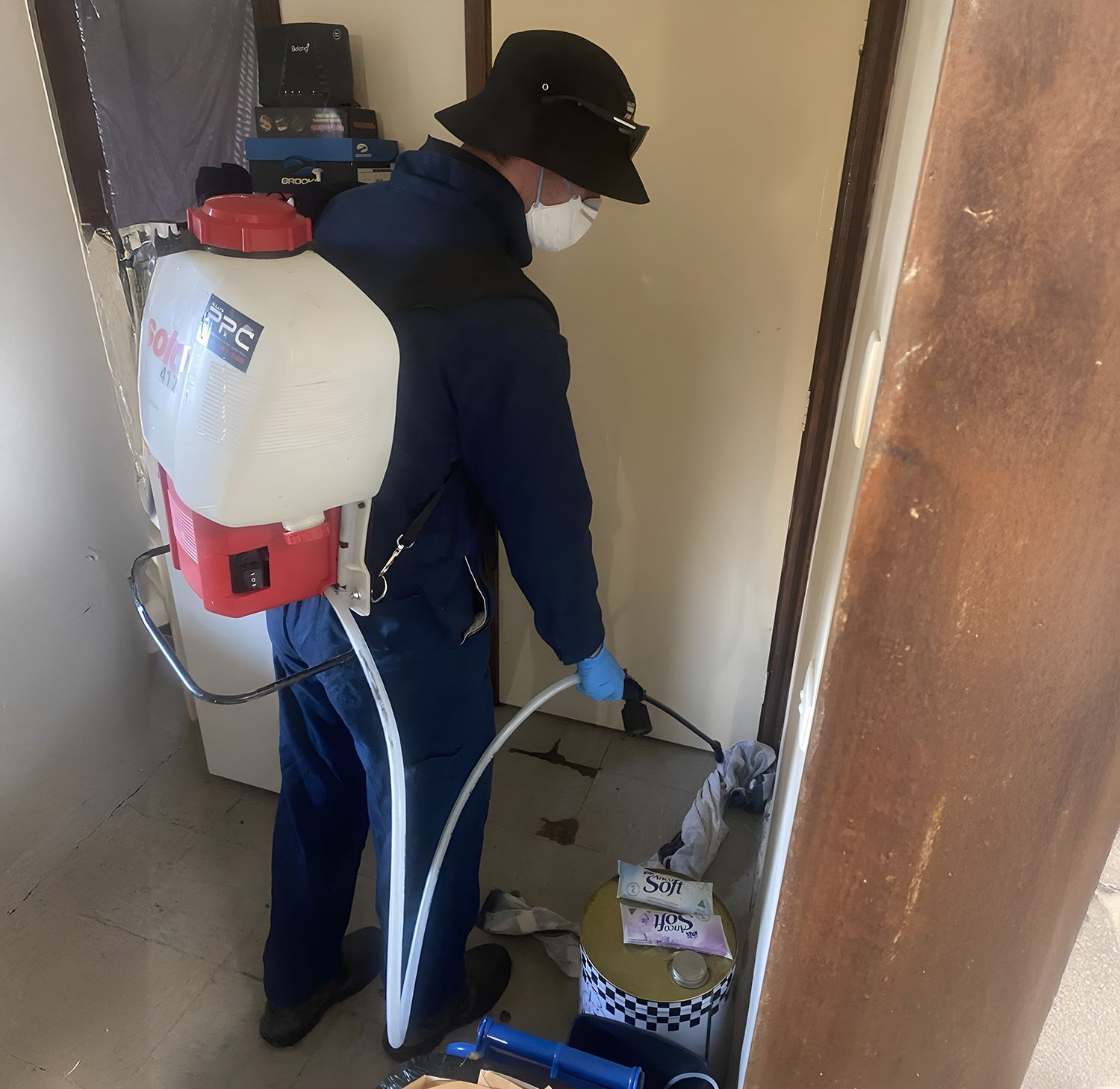
- An infestation is established or spreading
- Structural access points are difficult to locate
- There is uncertainty around compliance obligations
- Multiple properties show similar pest patterns
Seeking guidance at the right time can support informed decisions without making assumptions about outcomes or guarantees.
Get in Touch
At Professional Pest Control, we work with landlords, property managers and tenants who want clear, practical support for pest control in Albury-Wodonga. Local rental properties face unique challenges due to climate conditions, building styles and seasonal pest activity, which makes early attention especially important. If you are reviewing your pest prevention approach or responding to an ongoing issue, you can learn more or get in touch via our website to discuss suitable next steps.